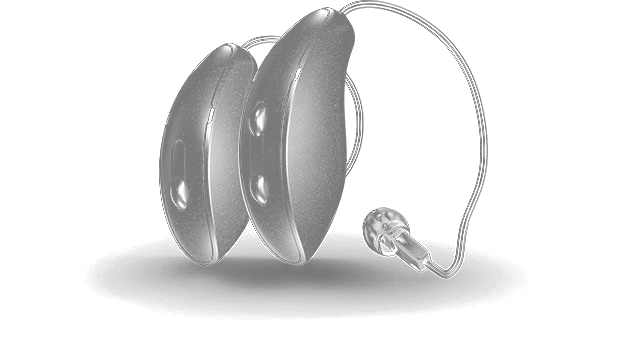
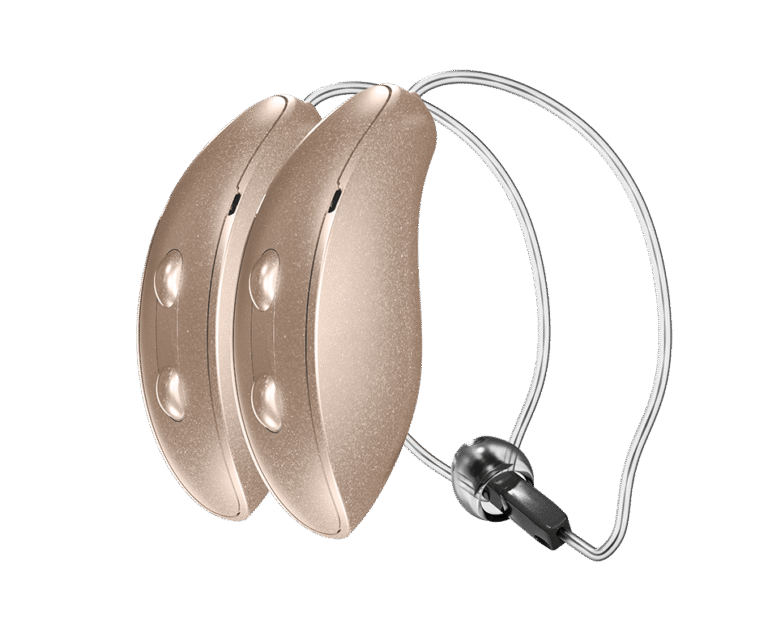
Omega AI+
Hear for it all.
Starkey Hearing Aids
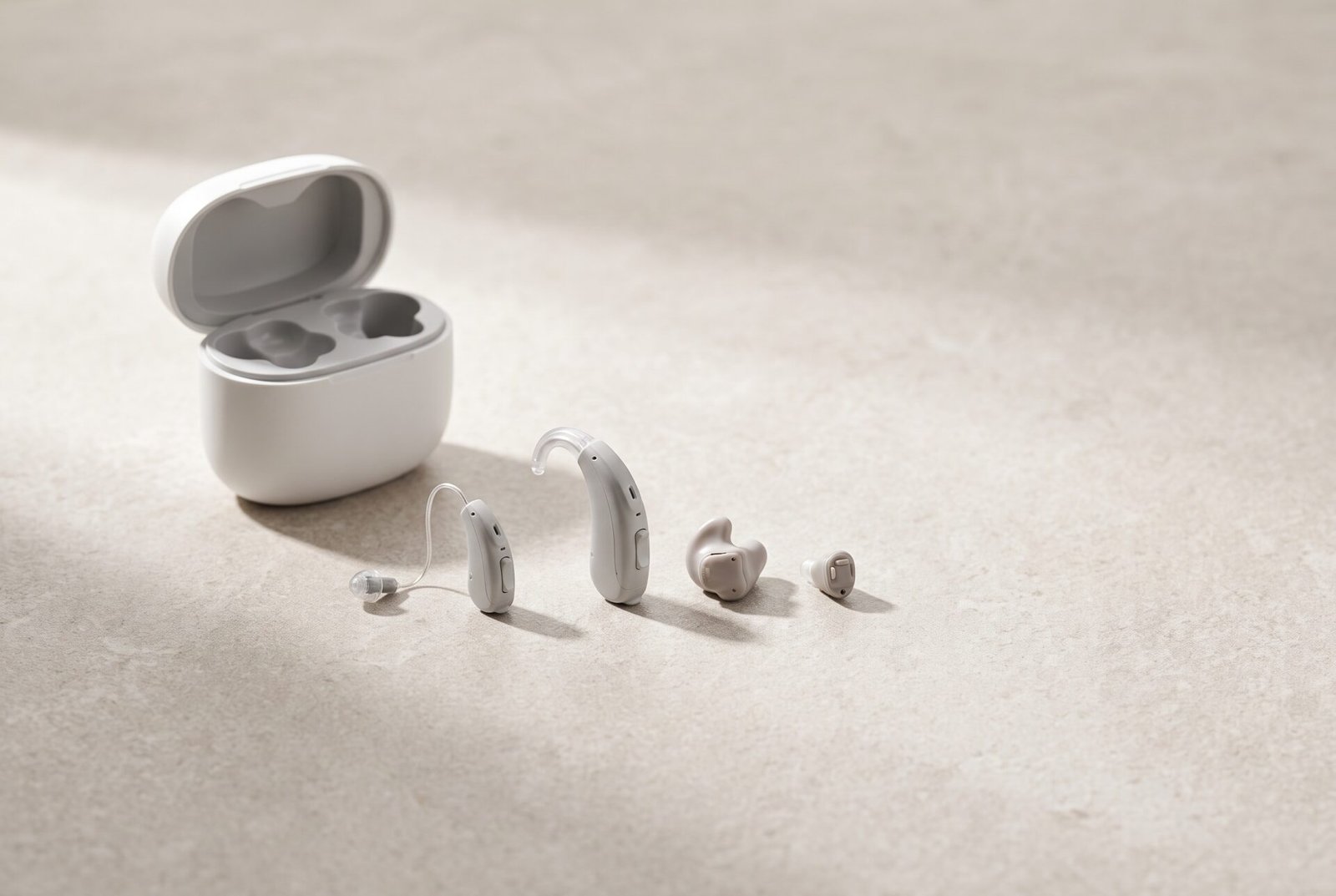
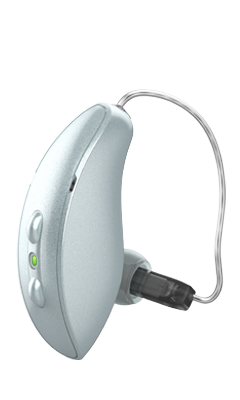
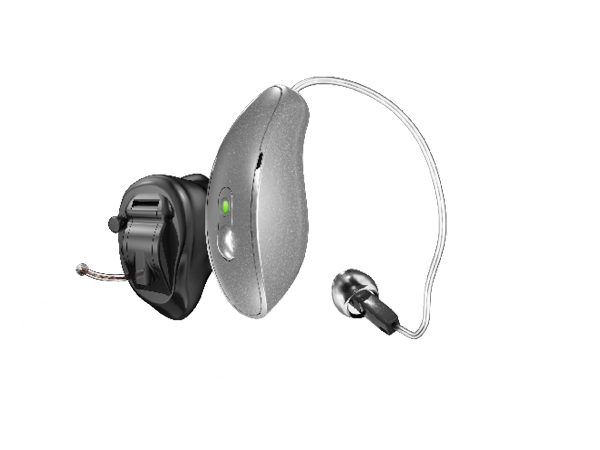
Receiver-in-canal
A small body sits behind the ear and the speaker sits inside the ear canal, connected by a thin wire. Sleek, discreet and usually packed with features.
Suits: Mild to moderate hearing loss
Starkey models: Omega AI+, Edge AI, G Series AI
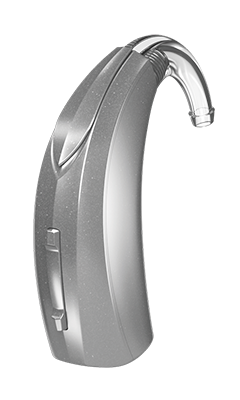
Behind-the-ear
All parts sit in a case behind the ear, and a clear tube carries sound to an earbud or custom earmold. The most common and usually the largest style.
Suits: Moderate to severe hearing loss
Starkey models: G Series AI
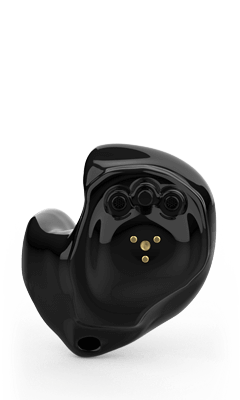
In-the-ear
The largest custom style, made from a mould of your ear and filling the outer ear. Big enough for volume and memory controls.
Suits: Mild to severe hearing loss
Starkey models: Omega AI+, G Series AI
In-the-canal
A smaller custom style, with only a small part showing in the outer ear. Can include volume and memory controls.
Suits: Mild to mildly severe hearing loss
Starkey models: Omega AI+, G Series AI
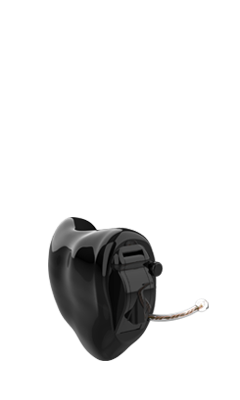
Completely-in-canal
Sits completely in the ear canal, with only the tip of a small removal handle showing.
Suits: Mild to moderate hearing loss
Starkey models: Omega AI+, G Series AI
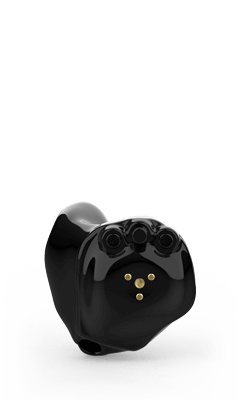
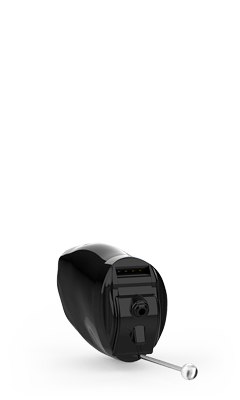
Invisible-in-canal
The smallest, most discreet custom style. It sits deep in the ear canal and is invisible for most ears, although not every ear canal can fit one.
Suits: Mild to moderate hearing loss
Starkey models: Omega AI+
| Style | Where it sits | Visibility | Good to know |
|---|---|---|---|
| RIC | Behind the ear, speaker in the canal | Discreet | Rechargeable in select styles. The speaker can be affected by earwax and moisture. |
| BTE | Behind the ear, tube to the ear | Most visible | Easy to handle, larger battery and longer battery life. Often chosen for young children (FDA). |
| ITE | Fills the outer ear | Visible | Room for volume and memory controls. May pick up more wind noise than smaller custom styles. |
| ITC | Lower part of the outer ear | Less visible | Can include controls. Smaller batteries need changing more often. |
| CIC | Completely in the ear canal | Very discreet | Can be hard to handle for people with dexterity issues. May not have room for controls. |
| IIC | Deep in the ear canal | Invisible for most ears | Not every ear canal fits one. No room for manual controls. |
Sources: Starkey, FDA.
Starkey lists the factors that guide the choice of style. Your audiologist will look at all of them with you:
Starkey says about two-thirds of new users choose two hearing aids, and that as a group they report higher satisfaction than people who buy one.
Sources: FDA, Starkey.
The invisible-in-canal (IIC) style. Starkey calls it the smallest, most discreet hearing aid it makes, although whether it is invisible depends on the shape of your ear.
Starkey describes behind-the-ear (BTE) aids as ideal for moderate to severe hearing loss. Mayo Clinic notes that BTEs hold the largest receiver and can give the most volume.
Yes, in select styles. Starkey lists up to 51 hours of battery life for Omega AI+ and Edge AI in the RIC RT style. Other styles vary.
Not always. Smaller styles use smaller batteries that need changing more often, may not have room for controls and can be harder to handle (Starkey, Mayo Clinic).

The FDA notes that behind-the-ear aids are often chosen for young children, because the earmold can be replaced as the child grows.
Mayo Clinic says hearing aids should last about five years.
Sources: Starkey: Hearing aid styles · Starkey: Compare hearing aids · FDA: Types of hearing aids · Mayo Clinic: Hearing aids
Style images courtesy of Starkey.