Hearing Care

Cochlear Implant Services

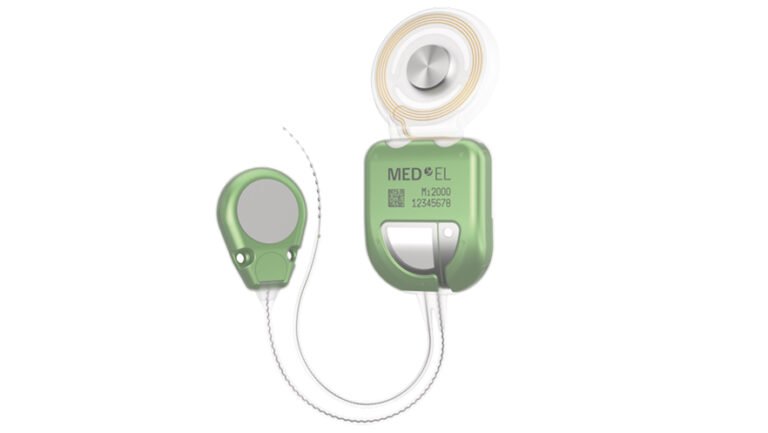
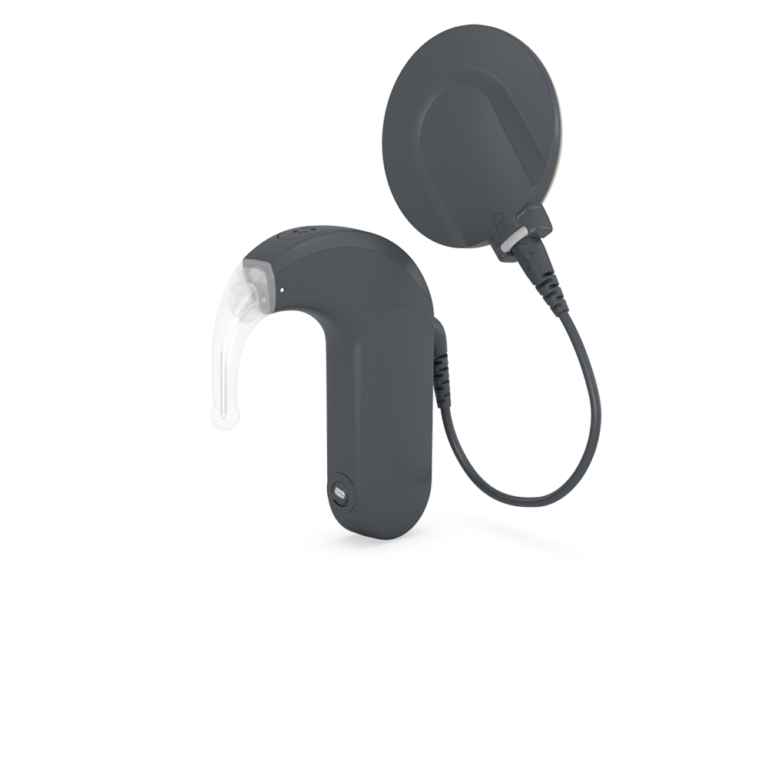
As an authorised MED-EL distributor, we support cochlear implant users and their families with follow-up care, sound processor services and genuine MED-EL parts and accessories.
Young boy playing with building blocks beside his mother

Support after your implant

A cochlear implant is the start of a journey. We help you get the most from it over the years.

Who it is for

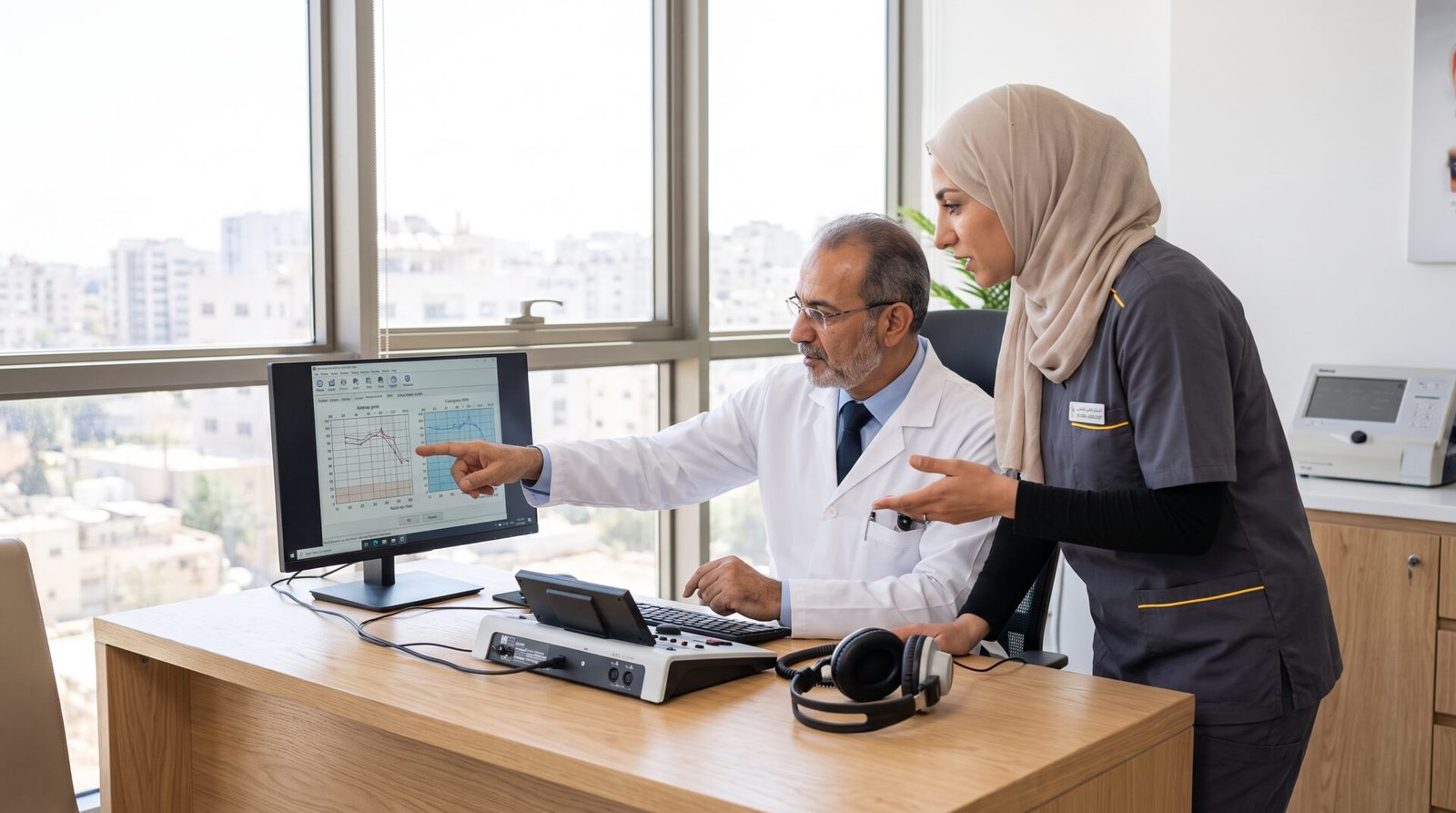
Doctor and audiologist reviewing hearing results together

Is it right for you?

Could a cochlear implant help?

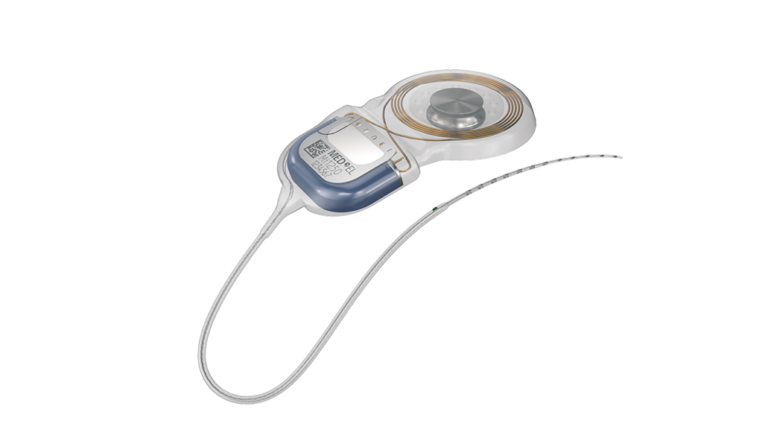
A hearing aid makes sound louder. When the hair cells of the inner ear are badly damaged, louder sound is no longer clearer sound. A cochlear implant bypasses the damaged part of the inner ear and stimulates the hearing nerve directly with electrical signals, which is why it can help when hearing aids no longer do. See how a cochlear implant works.
Signs it may be time to ask:
MED-EL states that its cochlear implants are approved for children from 6 months of age in many countries, and that there is no upper age limit. Your ENT surgeon and audiologist decide whether an implant is suitable after a full assessment.

Your cochlear implant journey

Every journey is different, but most follow four stages. We are with you and your family before surgery and for years after it.

Step 1

Assessment

Hearing tests and a medical evaluation show whether an implant is suitable. The clinical team explains the results and next steps to you and your family.

Step 2

Surgery

The operation usually takes 1 to 2 hours. Most people are up and about the next day and stay in hospital for one or more days.

Step 3

Activation

Around four weeks after surgery, the audio processor is switched on for the first time and the settings are adjusted to you.

Step 4

Rehabilitation

Regular listening practice, with a speech and language therapist and at home, helps the brain learn to make sense of the new sound.
Timings are typical figures published by MED-EL. Your surgeon will tell you what to expect in your case.

Children

Cochlear implants for children

If your baby did not pass the newborn hearing screening, early action matters. Hearing aids are often the first step for moderate hearing loss, but they cannot treat severe loss. A cochlear implant can help even children who hear nothing at all.
Children implanted early have the best chance of developing speech and language alongside their hearing peers, because the young brain is ready to learn language.
MED-EL also offers free rehabilitation material for children, parents and teachers, including the LittlEARS questionnaire and the A Child’s Journey app.

Single-sided deafness

Hearing loss in one ear

Single-sided deafness makes it hard to follow group conversations, tell where sounds come from and hear in noise, and listening becomes tiring. A CROS hearing aid sends sound from the deaf side to the hearing ear, but you still hear with one ear only.
A cochlear implant in the deaf ear can restore hearing with both ears, which helps with speech in noise and with locating sounds. People with very different hearing in each ear (asymmetric hearing loss) may also benefit.

Rehabilitation

Learning to hear with your implant

MED-EL calls rehabilitation the most important step to hearing. The implant gives the brain access to sound, and practice teaches it what that sound means. Regular practice brings faster and better progress, for children and adults alike.
Speech therapist working with a young girl using picture cards

Living with a cochlear implant

Practical answers based on MED-EL guidance.

Most people recover within 1 to 2 weeks. Avoid heavy lifting and strenuous exercise for 2 to 4 weeks, and follow the advice of your surgeon.

The operation is done under anaesthesia. Mild to moderate discomfort afterwards is usually managed with ordinary painkillers.

Usually 1 to 2 weeks after surgery. Check with your surgeon before you travel.

Yes. Metal detectors do not affect the implant. MED-EL provides an implant ID card that you can show at security.

MED-EL cochlear implants are MR conditional. SYNCHRONY 2 allows scans at up to 3.0 Tesla without removing the magnet, unless removal is needed for diagnosis, and MED-EL offers a lifelong MRI guarantee. Always tell the radiology team that you have an implant.

Yes, with few restrictions. Wear a helmet where one is normally worn and protect the implant area from direct knocks. The latest MED-EL processors are waterproof, and WaterWear covers are available for the sea and swimming pools.

No. Upgrading usually means a new audio processor and a fitting, with no further surgery. MED-EL designs its new processors to work with its earlier implants.

Coverage depends on your insurer or scheme. Contact us and we will help you understand your options.
Questions about your implant?

Book a follow-up visit or contact us for parts and accessories.