Products · MED-EL

MED-EL hearing implants

As an authorised MED-EL distributor, we supply MED-EL cochlear implant systems, audio processors, bone conduction and middle ear solutions, and support users with follow-up care and genuine accessories.
Father talking with his daughter in a park

How a cochlear implant works

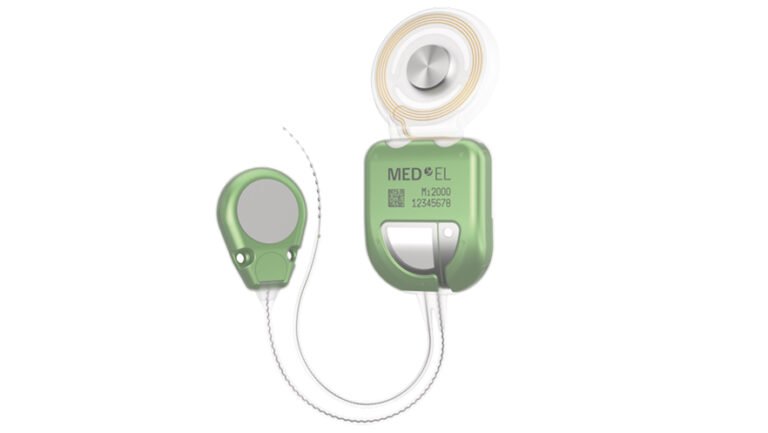
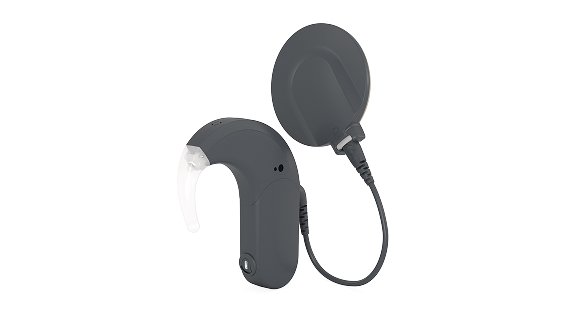
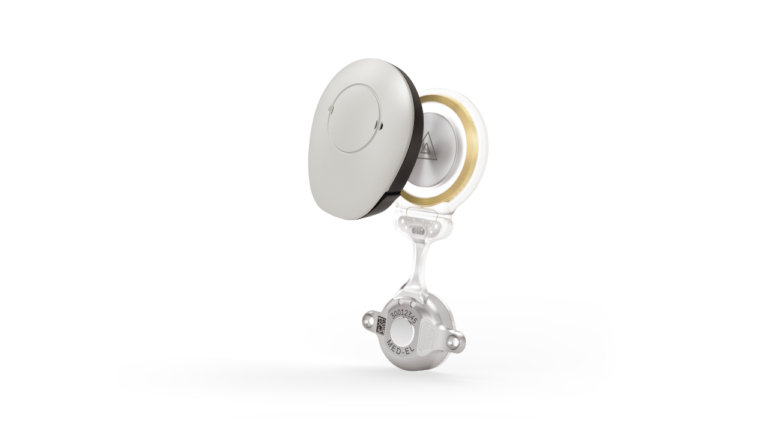
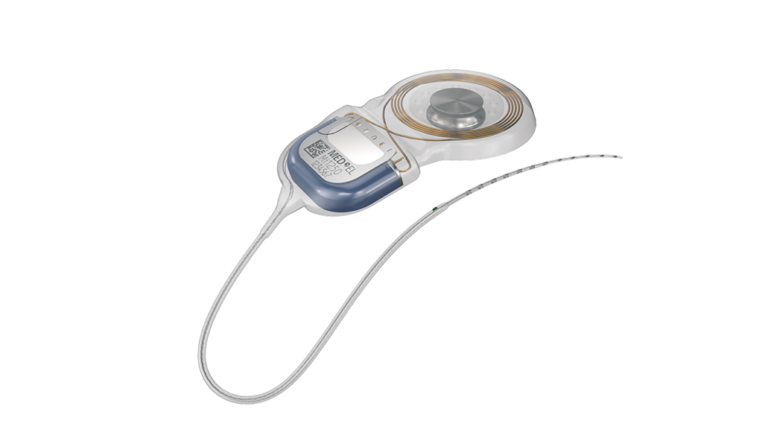
A hearing aid makes sound louder. A cochlear implant bypasses the damaged hair cells of the inner ear and sends sound to the hearing nerve as electrical signals. It has two parts: an audio processor worn on the head and an implant placed under the skin.

Step 1

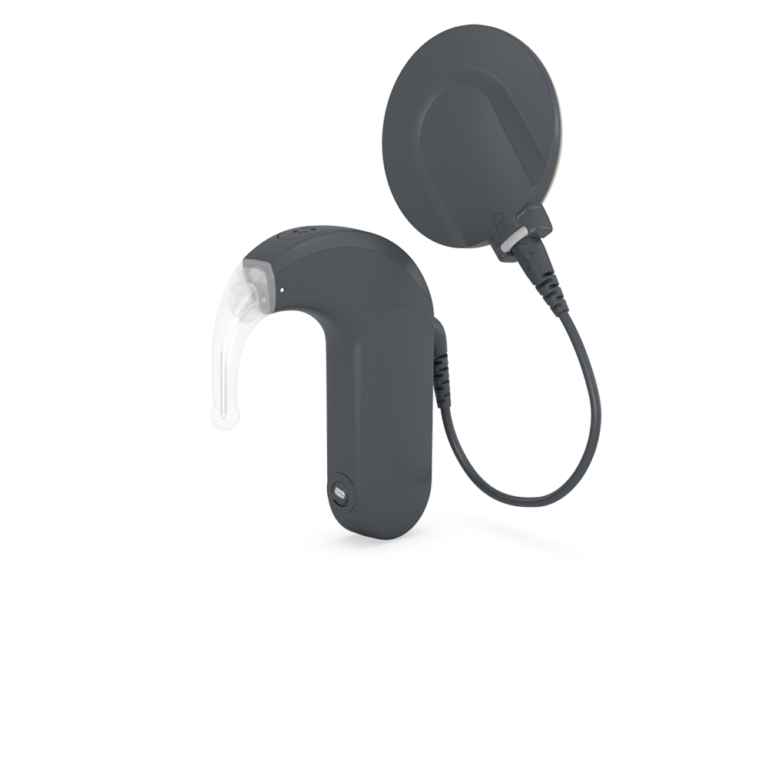
Audio processor

Its microphones pick up sound, turn it into a digital signal and send it through the skin to the implant.

Step 2

Implant

The implant converts the signal into electrical pulses and sends them along a fine electrode array inside the cochlea.

Step 3

Electrode array

Each contact stimulates the part of the cochlea responsible for a particular pitch, much as healthy hair cells would.

Step 4

Hearing nerve

The hearing nerve carries the signals to the brain, which recognises them as sound.

Who can benefit

Cochlear implants are designed for children and adults with severe-to-profound sensorineural hearing loss, in both ears or in one. You may be a candidate if:

Good to know

Why MED-EL

MED-EL’s founders pioneered the modern cochlear implant in 1977, and MED-EL offers a complete portfolio of hearing implants. These are the principles behind its systems.

Closest to natural hearing

Long, flexible electrodes are designed to cover the whole cochlea, stimulating low and high pitches in the right place. Many users say music sounds natural.

Built for your cochlea

The surgeon chooses from a range of electrode arrays to fit each inner ear, and the fitting can be tailored to your anatomy.

MRI without surgery

SYNCHRONY 2 is MR Conditional at up to 3.0 Tesla with the magnet in place, and MED-EL offers a lifelong MRI guarantee on its cochlear implants.

Reliable by design

Every implant is made in Austria. According to MED-EL’s reliability data, SYNCHRONY 2 has a cumulative survival rate of 99.88% within 6 years.

Ready for the future

Upgradeable firmware, and new processors that work with MED-EL implants from the last 20 years and more, so upgrades need no further surgery.

A complete range

Cochlear, middle ear and bone conduction solutions from one company, so there is an option for most types of hearing loss.

Your hearing implant journey

From the first appointment to everyday hearing, our team works alongside your ENT surgeon at every stage.

Step 1

Assessment

Hearing tests and a medical review confirm whether an implant is right for you, and you get time to ask every question.

Step 2

Surgery

A routine operation of about 1 to 2 hours. Most people are up the next day and home after a short hospital stay.

Step 3

Activation

About 2 to 4 weeks after surgery, the processor is switched on and fitted. Fine-tuning continues at follow-up visits.

Step 4

Rehabilitation

Listening practice with a speech therapist and at home helps the brain make sense of the new sound. It is the most important step.

Which solution for which hearing loss?

A quick guide to the MED-EL options for each type of hearing loss. The right choice always depends on a full assessment.
Type of hearing lossMED-EL solutions
Severe-to-profound sensorineuralCochlear implant (SYNCHRONY 2)
High-frequency loss with useful low-frequency hearingElectric Acoustic Stimulation (EAS)
Mild-to-severe sensorineuralMiddle ear implant (VIBRANT SOUNDBRIDGE)
ConductiveVIBRANT SOUNDBRIDGE, BONEBRIDGE, ADHEAR
MixedVIBRANT SOUNDBRIDGE, BONEBRIDGE
Single-sided deafnessCochlear implant, BONEBRIDGE, ADHEAR
Neural (hearing nerve missing or damaged)Auditory brainstem implant: please contact us to discuss

Audio processors

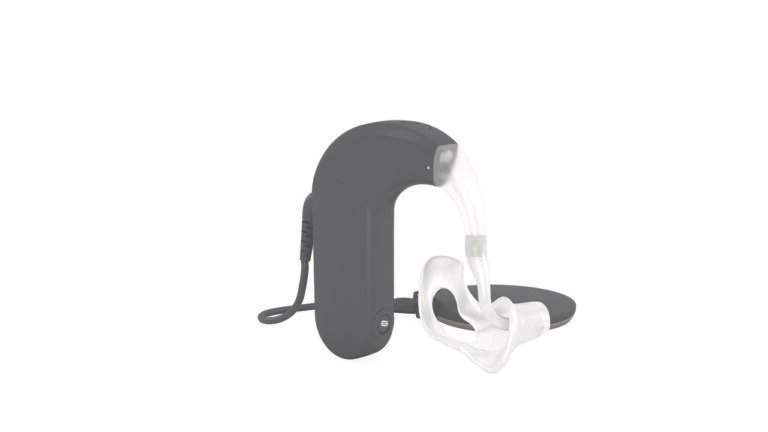
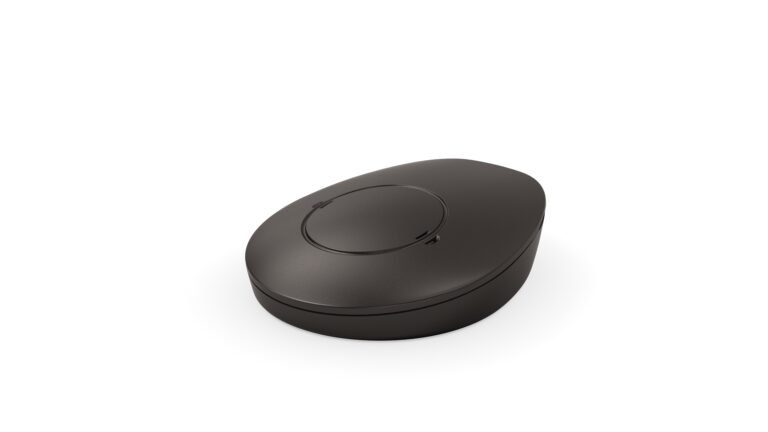
The external part of an implant system, worn on the head or behind the ear. Every current processor works with MED-EL implants from the last 20 years and more.

SONNET 3 or RONDO 3?

SONNET 3RONDO 3
How it is wornBehind the earOff the ear, single unit
PowerRechargeable (up to 23 h) or zinc-air batteries (up to 60 h)Built-in battery, wireless charging, up to 24 h
WaterIP68 waterproofIP68 waterproof
StreamingIntegrated direct streamingThrough the AudioStream Adapter
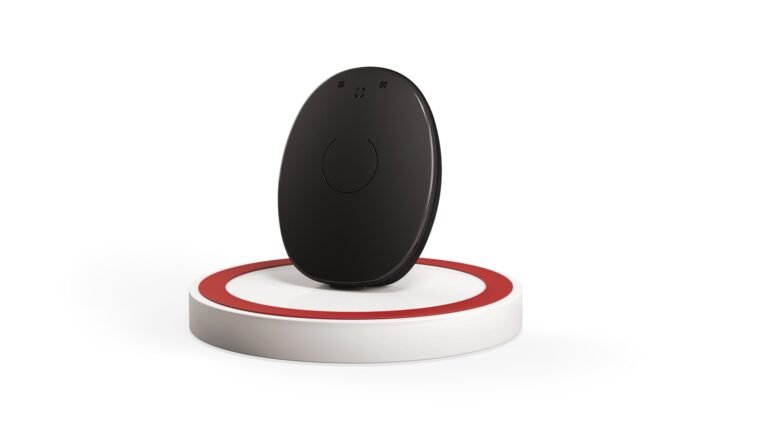
Connectivity deviceAudioLink XTAudioLink
Good to knowChild-friendly locks and link-check light; EAS version availableNothing behind the ear, ideal with glasses

Frequently asked questions

A hearing aid makes sound louder. A cochlear implant works differently: it bypasses the damaged part of the inner ear and stimulates the hearing nerve directly with electrical signals. That is why it can help when hearing loss is too severe for hearing aids to give clear speech.

Children and adults with severe-to-profound sensorineural hearing loss, in one or both ears, who get limited benefit from hearing aids. Common signs are that hearing aids no longer help, phone calls are hard, or you rely heavily on lip-reading. A full medical and hearing assessment confirms whether an implant is right for you.

Children can be implanted from a young age, from around 6 months depending on the implant and the medical team, and children implanted early have the best chance of developing language like their hearing peers. There is no upper age limit: general health and willingness to take part in rehabilitation matter more than age.

Cochlear implant surgery is a routine procedure that usually takes 1 to 2 hours. Most people are up and about the next day and go home after a short hospital stay. Recovery generally takes 1 to 2 weeks, avoiding heavy lifting and strenuous exercise for a few weeks.

The audio processor is switched on at the first fitting, usually 2 to 4 weeks after surgery. Hearing then keeps improving over the following months with regular fittings and rehabilitation.

Yes, under certain conditions. The SYNCHRONY 2 implant is MR Conditional at up to 3.0 Tesla without removing the magnet, unless removal is needed for diagnostic reasons, and MED-EL covers its cochlear implants with a lifelong MRI guarantee. Always tell the radiology team that you have an implant.

Yes. SONNET 3 and RONDO 3 are waterproof (IP68) for fresh water, and the WaterWear cover makes them fully waterproof in salt and chlorinated water. Wear a helmet wherever one is normally worn, and protect the implant site from direct knocks.

No. MED-EL designs its new audio processors to work with MED-EL implants from the last 20 years and more, so upgrading only means a new processor and a fitting.

Many MED-EL users say they enjoy music and find it sounds natural, and some are professional musicians. MED-EL uses long electrodes that cover the whole cochlea and sound coding designed to bring out fine detail in music.

Yes. A cochlear implant in the deaf ear can restore hearing with both ears, which helps with understanding speech in noise, following group conversations and telling where sounds come from.

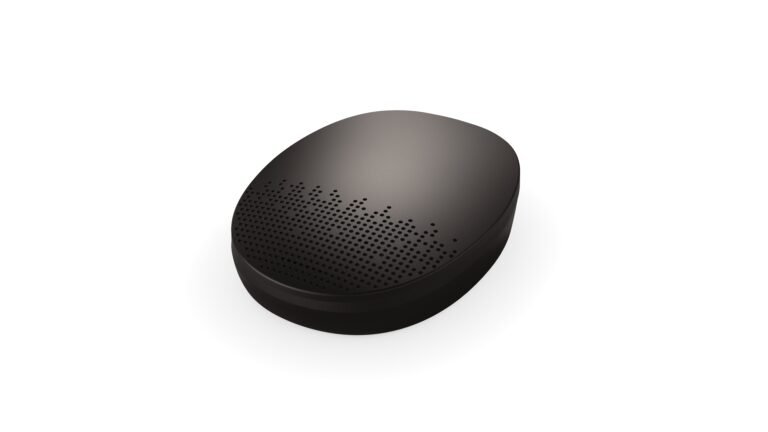
AudioLink, AudioStream, WaterWear and more for MED-EL users.
Processor checks, genuine parts, upgrades and listening therapy.

Hearing in one ear, or a hearing aid on the other side?

Learn how implants can help single-sided deafness, and how a cochlear implant and a hearing aid can work together in bimodal hearing.

Considering a hearing implant?

Talk to us about your options. We work alongside your ENT surgeon from assessment to follow-up.